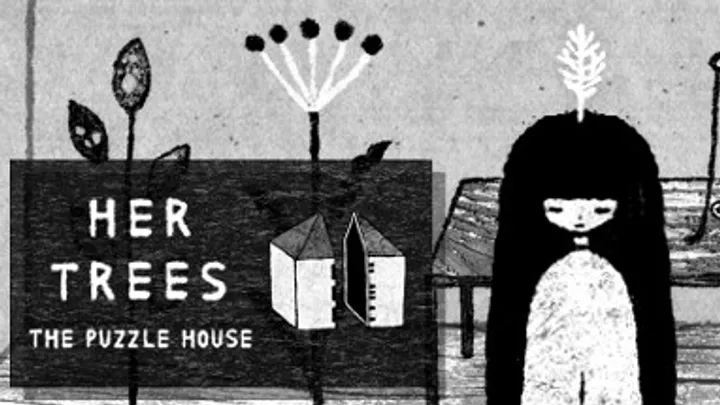
Her Tree – How Environmental Memory and Generational Storytelling Shape the Entire Narrative Experience
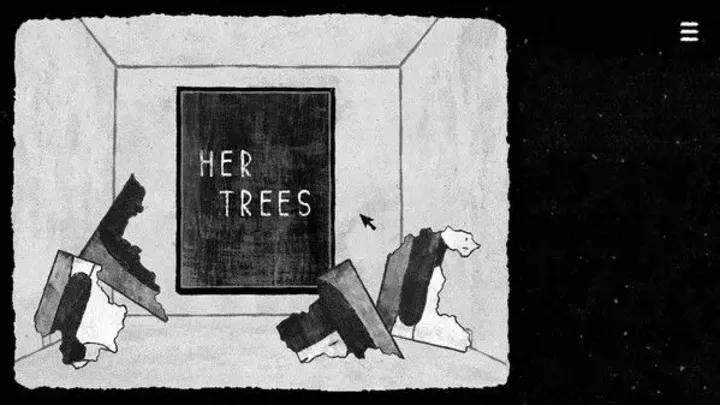
In Her Tree, the central mystery is not driven by action, combat, or traditional cinematic storytelling. Instead, the game builds its emotional power through environmental memory, symbolic spaces, and generational storytelling tied to the mysterious tree at the center of the experience. While many puzzle games rely on isolated challenges, Her Tree uses its world itself as a narrative language, gradually revealing emotional trauma, forgotten relationships, and fragmented family history through exploration and environmental change.
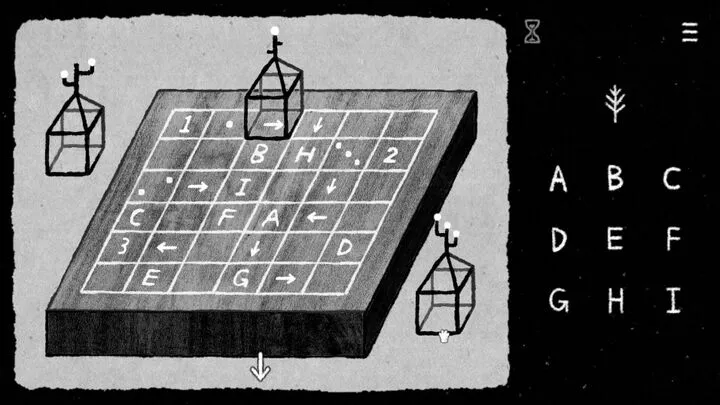
One of the most discussed aspects of the game is how the tree functions not only as a location, but as a living archive of memory. Every branch, root system, hidden symbol, and environmental transition contributes to an interconnected narrative structure that evolves over time. Rather than presenting a straightforward story, the game encourages players to reconstruct emotional history through observation, symbolism, and recurring environmental echoes.
This article explores a specific news-focused topic surrounding the game: how Her Tree uses environmental memory and generational storytelling to create one of the most emotionally layered narrative structures in modern puzzle adventures. Instead of focusing on puzzle solutions or gameplay tips, this analysis examines how the game builds emotional depth through symbolic design, nonlinear storytelling, environmental transformation, and recurring generational themes.
The Tree as a Living Narrative Structure
Why the Tree Is More Than a Setting
At first glance, the central tree appears to function simply as the game’s primary location. However, progression slowly reveals that the tree itself acts as a narrative system.
The tree represents:
- Memory preservation
- Emotional inheritance
- Generational trauma
- Cyclical history
Every environmental detail tied to the tree reflects the emotional condition of the world surrounding it.
Environmental Storytelling Through Growth
As players progress, the tree changes subtly:
- Branches expand into new regions
- Roots invade forgotten spaces
- Leaves alter color depending on narrative progression
These changes are not purely visual. They communicate emotional and thematic evolution without explicit dialogue.
The tree becomes a visual representation of memory itself.
Fragmented Narrative Design and Player Interpretation
Why the Story Feels Nonlinear
Her Tree intentionally avoids direct exposition. Players rarely receive complete explanations immediately.
Instead, narrative fragments emerge through:
- Environmental symbolism
- Repeated visual motifs
- Sound design
- Object placement
The Role of Interpretation
The game trusts players to connect emotional and symbolic information independently.
This creates a storytelling structure where:
- Discovery feels personal
- Interpretation becomes interactive
- Emotional meaning develops gradually
Different players may interpret specific scenes differently, which strengthens the game’s psychological depth.
Generational Trauma as Environmental Design
Trauma Exists Physically Within the World
One of the game’s most remarkable narrative ideas is how emotional pain manifests environmentally.
Examples include:
- Cracked walls surrounding memory spaces
- Withered branches tied to emotional loss
- Distorted rooms representing fractured recollection
Why This Approach Feels Powerful
Rather than discussing trauma directly through dialogue, the game externalizes emotional suffering into physical space.
This creates immersion because players do not simply hear about emotional damage—they move through it physically.
The environment becomes emotionally readable.
Symbol Repetition and Emotional Continuity
Recurring Symbols Connect Generations
Throughout the game, certain symbols appear repeatedly across different environments and timelines.
Common recurring imagery includes:
- Circular branch patterns
- Hanging lanterns
- Broken roots
- Birds trapped within enclosed spaces
Why Repetition Matters
These symbols gradually gain emotional meaning over time.
A symbol introduced early may initially appear decorative, but later scenes transform its significance entirely.
This layered repetition creates narrative cohesion without requiring explicit explanation.
The Use of Silence and Audio Memory
Silence Functions as Storytelling
Her Tree uses silence strategically rather than treating it as empty space.
Moments without music often occur during:
- Emotional realization scenes
- Memory transitions
- Environmental discovery sequences
Audio as Emotional Reconstruction
The game also uses fragmented audio carefully:
- Distant voices
- Faint environmental echoes
- Distorted melodies
These sounds create the feeling that memories are resurfacing imperfectly rather than replaying clearly.
This reinforces the game’s themes of fractured remembrance.
Environmental Transformation Across Time
Locations Change Emotionally Over Time
One of the game’s strongest narrative systems is environmental transformation.
The same locations evolve throughout progression through:
- Seasonal changes
- Structural decay
- Symbolic overgrowth
- Altered lighting
Why Revisiting Areas Matters
Returning to familiar spaces reveals emotional progression.
Players begin noticing:
- New visual scars
- Hidden memories emerging
- Environmental healing or deterioration
The world itself remembers previous events.
Memory as Gameplay Rather Than Story Background
The Player Participates in Reconstruction
In many narrative games, memories are passive cutscenes. In Her Tree, memory functions as active gameplay.
Players reconstruct history through:
- Exploration
- Symbol interpretation
- Spatial recognition
- Environmental comparison
Why This Creates Deeper Immersion
Because players actively assemble narrative meaning themselves, emotional discovery feels earned rather than delivered.
The story becomes participatory instead of observational.
This makes emotional moments more impactful.
Family Legacy and Emotional Inheritance
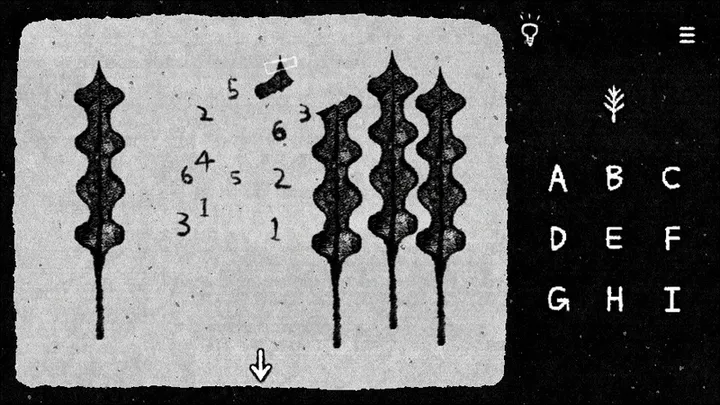
The Story Explores Emotional Cycles
One of the game’s central themes is how unresolved emotions pass between generations.
The tree symbolizes continuity between:
- Parents and children
- Memory and identity
- Loss and repetition
Inherited Emotional Spaces
Certain environments appear designed around emotional inheritance.
Examples include:
- Rooms preserved unnaturally
- Repeated architectural structures
- Echoed environmental symbolism across timelines
The game suggests that emotional wounds reshape future generations silently over time.
Visual Minimalism and Emotional Atmosphere
Why Minimalism Strengthens the Narrative
Her Tree avoids excessive visual clutter. Environments are carefully restrained.
This allows:
- Symbolic objects to stand out
- Lighting changes to feel meaningful
- Emotional tone to dominate scenes
Atmosphere Over Explanation
The game rarely explains emotional meaning directly.
Instead, atmosphere communicates:
- Isolation
- Grief
- Nostalgia
- Quiet hope
This subtle approach allows players to emotionally engage with the world naturally.
The Future Influence of Her Tree’s Narrative Design
Why Her Tree Stands Out
Modern puzzle adventures often prioritize mechanical complexity over emotional structure. Her Tree demonstrates that environmental storytelling can become the primary gameplay experience.
Its narrative design succeeds because:
- Story and environment are inseparable
- Emotional themes affect gameplay structure
- Interpretation becomes part of progression
A Potential Shift in Puzzle Storytelling
The game may influence future narrative puzzle titles by emphasizing:
- Symbolic environmental storytelling
- Player-driven interpretation
- Emotional world design
Her Tree proves that slower, quieter storytelling can create powerful emotional engagement when environmental systems support narrative themes deeply.
Conclusion
Her Tree transforms environmental storytelling into a deeply emotional narrative system built around memory, symbolism, and generational inheritance. Through evolving environments, recurring symbols, fragmented audio, and nonlinear exploration, the game creates a world where emotional history exists physically within space itself.
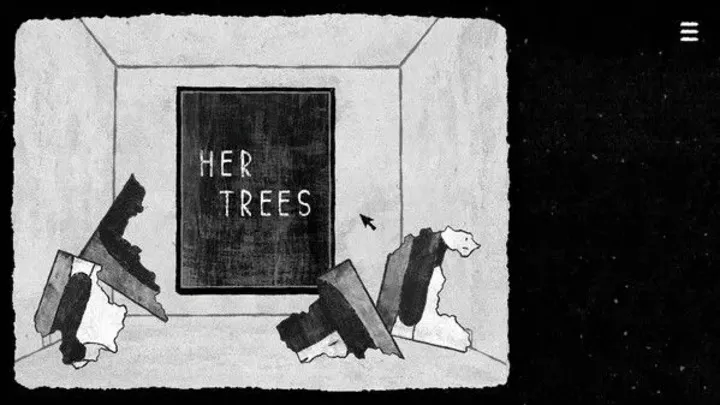
What makes the experience remarkable is how naturally gameplay and narrative merge together. Players do not simply watch memories unfold—they reconstruct emotional history through observation, movement, and interpretation. Every branch, sound, and environmental transformation contributes to a larger story about loss, inheritance, and remembrance.
Ultimately, Her Tree demonstrates how puzzle adventures can move beyond mechanical challenge into emotionally immersive storytelling. By treating the environment as a living archive of memory, the game creates a narrative experience that feels personal, interpretive, and hauntingly memorable long after the journey ends.